Folkstyle
Headgear on Thursday, a different sport by spring
Folkstyle pays for riding. Freestyle pays for the back. Coaches abroad keep calling the same gyms anyway.
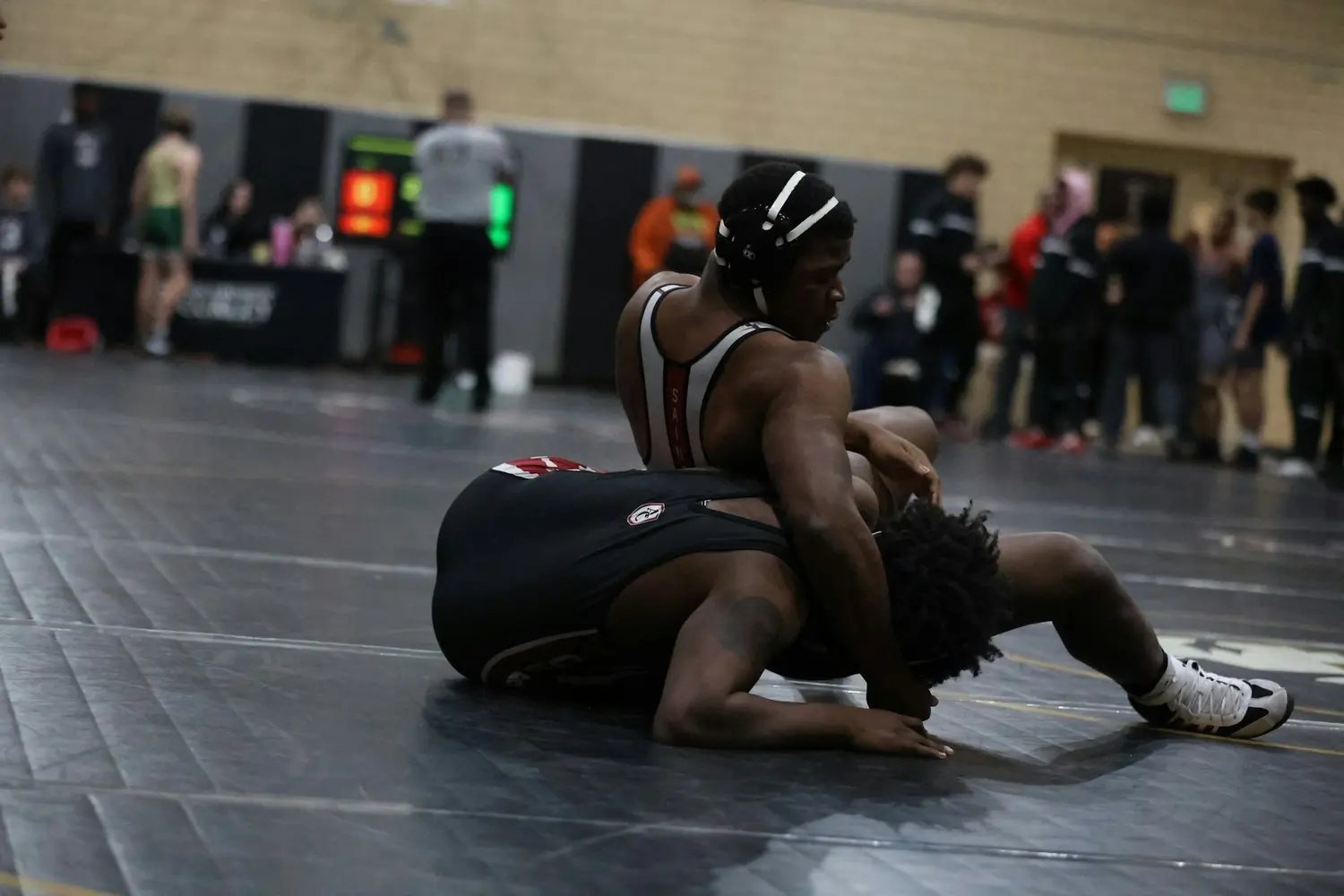
A collegiate dual and a senior freestyle bout share a circle and almost none of the economics. Folkstyle pays you to ride. Control is the point. Freestyle pays you to expose the back, and a long ride without a turn starts to look like a gift to the other athlete's passivity case.
The pipeline has not dried up. Hand-fighting travels. So does pace, and the habit of wrestling a pile of hard matches in a weekend. National teams that need a body at 74 or 86 still watch the American college season. Then they spend a year translating the winner's best attacks into a ruleset that will not pay for them.
Jordan Burroughs is the cleanest public version of that translation. Nebraska under the technique, international freestyle on top, a low attack that an entire decade had time to study and still had to stop. He is not a template. He is proof the crossing can be done by someone stubborn enough to keep the shot after the rules stop applauding the ride.
The export is not the folkstyle score. It is the refusal to accept a stalemate.
If you learned the sport in a high-school gym, a senior freestyle session will look fast and slightly lawless for a period. The athletes on the mat already made the adjustment. The broadcast is asking you to do it without a coach in your ear. Our freestyle guide is the short version. The long version is one full bout with the graphic off.
What fails in the translation
The usual failure is not fitness. College seasons are brutal. The failure is a finish that needed the ride. In folkstyle you can take a wrestler down, stay on top, and keep earning. In freestyle the same sequence, if you never turn the back, starts to look like you are stalling on your own points. Referees notice. So does the athlete underneath, who is waiting for you to get heavy and predictable.
The athletes who cross well usually keep one college habit and throw out two. Pace stays. The willingness to re-attack stays. The long ride goes, or it becomes a turn. Kyle Snyder is the other public example from that American generation, at a heavier weight, with his own Olympic gold in Rio and a bronze in Tokyo. Different body. Same export problem.
None of this makes folkstyle a farm system with a head office. It is its own sport, with its own season, and NVWF does not cover the dual-meet circuit as a beat. We cover the crossing, because that is where international wrestling keeps finding people.