Women's wrestling
57 kilograms still does not sort itself
Too many people who have already won something. Not enough mats. The early rounds are the story.
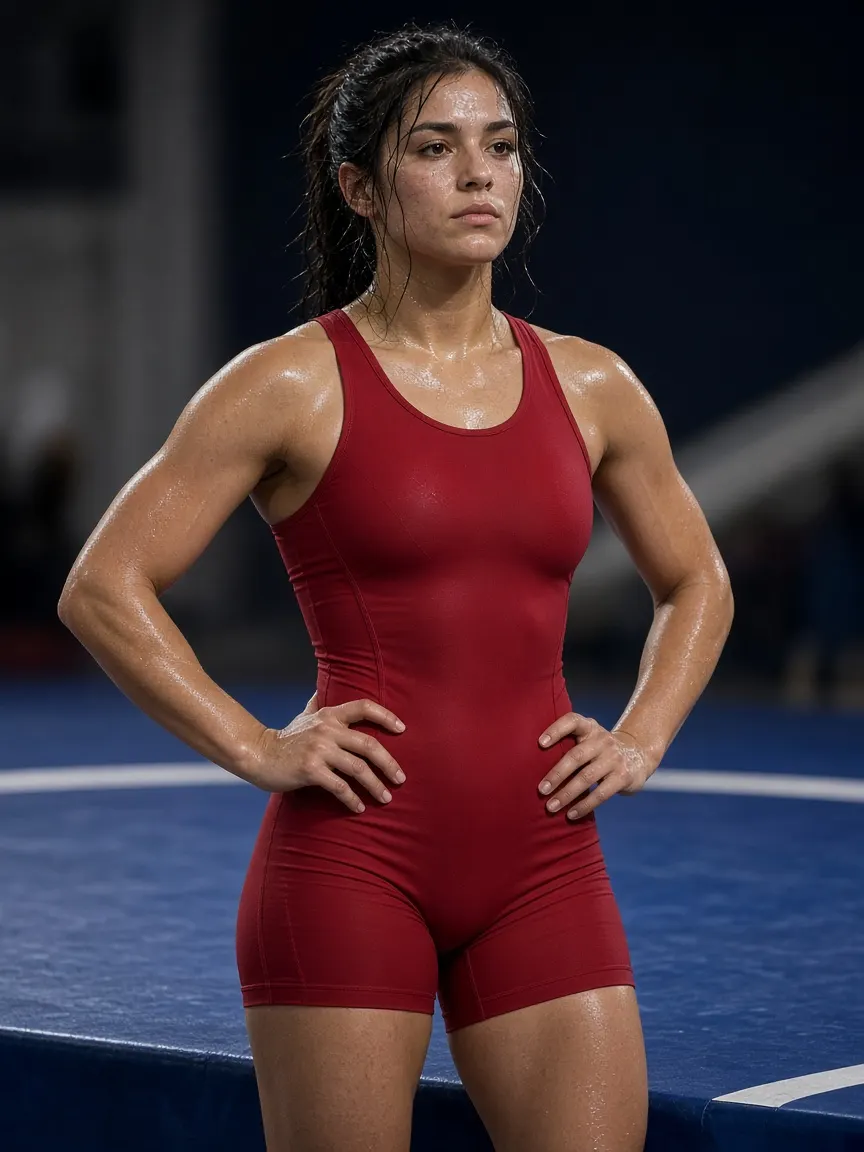
Some weights are hierarchies. You can name the final before the brackets are drawn, and you will be wrong only in the details. Women's 57 kilograms has not been that kind of weight. For several cycles it has held Olympic champions, world champions and athletes who would have been finalists next door.
Moving is always discussed. Drop to 53 and you meet a different set of problems, including the memory of Saori Yoshida even years after she stopped wrestling. Go up to 62 and the hips change. Staying at 57 means accepting a bracket that does not care what you won last year.
What makes it worth a session is the mix of looks. A low-ankle attacker. Someone who wants the clinch and the late score. A counter-wrestler who will give up the first passivity and try to steal the second period. Seed them into the same quarter and the bracket does not sort them. It collides them.
How to watch it without a seed list
Ignore the idea that the famous name is safer in round one. At this weight the famous name is often the person the other athlete has already wrestled in her head. The useful tell is the hands. If the tie is calm, believe the calm only until someone changes level. If it is frantic, someone is about to force a shot they would rather have saved.
Helen Maroulis made part of her second act at 57 after the Olympic gold at 53 in Rio. That is context, not a prediction. The division did not freeze in 2016. It got more crowded, which is what a healthy weight does when the medals start to mean something at home.
Heading into Astana, treat the early 57 kilogram bouts as finals until they are not. That is the compliment. The women's wrestling guide has the weights if you want the map. The matches will not wait for it.
There is a viewing trick that sounds trivial and is not. Sit through the whole session, including the bouts without a name you recognise. The unseeded athlete who pushes a favourite into a scramble is often the person you will be watching in two years, and you will only notice her if you did not treat the early round as a delay.
57 is crowded because the medals changed what national programmes were willing to fund. That is a slow fact. It does not announce itself in a press conference. It announces itself when three countries all bring someone who can finish a shot, and the quarter-final looks annoyed about having to pick a winner.